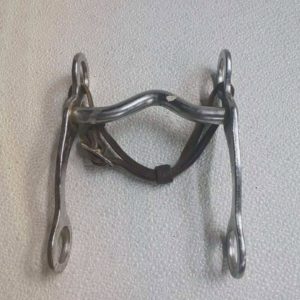
The vintage horse bit is more than an old piece of riding equipment. It represents the long partnership between humans and horses and the ways people developed methods to guide, train, and communicate with them. For thousands of years, changing needs in farming, travel, warfare, and sport influenced the design of horse bits.
The earliest known forms of horse bits appeared more than 5,000 years ago. Ancient cultures, including those in Mesopotamia and Egypt, used simple devices placed in or around the horse’s mouth. Early bits were commonly made from natural materials such as bone, wood, leather, and other available resources.
As horses became increasingly important to transportation, agriculture, and warfare, bit designs became stronger and more standardized. Metal gradually replaced organic materials because it offered greater durability and more consistent control. By the Roman era, metal bits were widely used for demanding riding and working conditions.
During the Middle Ages, horse bits became more specialized. Different designs developed for military riding, jousting, transportation, and other equestrian activities. Iron and bronze were commonly used, while intricate craftsmanship sometimes transformed bits into symbols of wealth, status, and social position.
A horse bit works by allowing the rider to communicate through controlled pressure. Depending on its design, pressure may be applied to the horse’s mouth, tongue, lips, or chin. Snaffle bits generally provide direct pressure, while curb bits use leverage for greater control. Combination bits incorporate features of both styles.
Vintage bits also provide valuable insight into changing attitudes toward horsemanship and animal handling. Their construction reflects developments in metalworking, craftsmanship, and riding techniques, while their designs reveal how essential horses once were to everyday human life.
Today, vintage horse bits are collected, displayed, and studied as historical artifacts. Collectors often appreciate hand-forged details, unusual shapes, engraving, and evidence of their original use. A single bit can provide clues about whether it belonged to a working horse, military rider, or sporting tradition.
Ultimately, vintage horse bits remain meaningful because they connect practical equipment with history. They demonstrate how humans adapted technology to communicate with horses while reflecting centuries of craftsmanship and culture. Whether preserved in a museum, studied by historians, or treasured by collectors, each vintage bit carries a small story from the remarkable history of human–horse partnership.