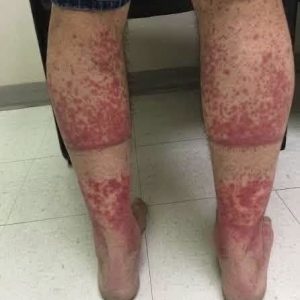
A patient developed sudden, painful skin lesions on the face and neck and was quickly referred for specialist care. Because a recent medication was suspected, it was stopped while doctors began testing and started treatment with corticosteroids.
The condition improved rapidly. Within two days, “lesions improved significantly and pain subsided.” Lab results showed inflammation, including “leukocytosis with neutrophilia,” while further testing helped narrow the diagnosis. A later skin biopsy confirmed Sweet syndrome.
Sweet syndrome, or “acute febrile neutrophilic dermatosis,” is a rare inflammatory condition. It causes “sudden onset of painful erythematous papules or plaques” due to immune system activity in the skin. Although the exact cause is unclear, it is linked to immune reactions triggered by infections, medications, or underlying diseases.
Drug-related cases are common and may be associated with antibiotics, anticonvulsants, and other medications. This is why identifying recent drug exposure is important during evaluation. The condition is considered an immune hypersensitivity response rather than a simple skin disorder.
Treatment usually responds well to corticosteroids, often leading to fast relief. However, proper diagnosis is essential, as similar symptoms can appear in other conditions like dermatitis or lupus. Doctors rely on clinical signs, lab results, and biopsy findings to confirm the diagnosis and guide treatment.
Overall, early recognition and treatment are key. When managed correctly, Sweet syndrome can improve quickly, but identifying the underlying trigger helps prevent recurrence and ensures better long-term care.