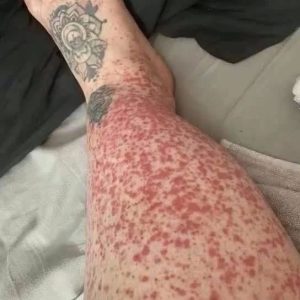
Psoriasis is a long-term skin condition that can appear in different forms. It includes “Plaque Psoriasis, marked by red patches with silvery scales,” as well as other types like “Guttate Psoriasis” with small spots, “Pustular Psoriasis” with blisters, and more severe forms that affect larger areas of the body. It is important to know that it “is not contagious.”
The condition is linked to how the immune system works. It happens when “T-cells attack healthy skin cells,” causing skin to grow too quickly and leading to visible irritation. Genetics can also play a role, meaning it may run in families.
Certain triggers can make symptoms worse. These include alcohol use, some medications, and infections. Because of this, flare-ups can vary from person to person and may come and go over time.
Doctors usually identify psoriasis through a skin check, and in some cases, further testing like a biopsy may be needed to confirm it.
Although there is no cure, treatment can help control symptoms and improve daily life. Recognizing the signs early and seeking medical advice can make a significant difference in managing the condition effectively.