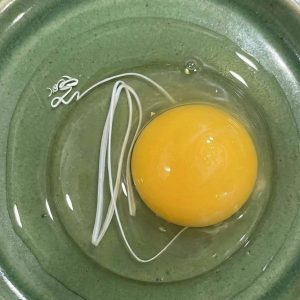
Seeing white, stringy pieces in a slow-cooked beef roast can be alarming, especially when they “look like little worms or parasites.” However, this is usually completely normal and not a sign of contamination.
These strands are part of the meat itself. Beef contains connective tissue rich in collagen, which holds muscle fibers together. When cooked slowly, this tissue breaks down and softens. As explained, it “can show up as white, thread-like strands or gelatinous bits,” especially in tender, well-cooked roasts.
Rather than being harmful, this is actually a good sign. It means the tough parts of the meat have melted down properly, adding tenderness and flavor. In this case, what looks unusual is simply the natural result of slow cooking.
Concerns about parasites are understandable but unlikely. In properly sourced and cooked beef, “True parasites in beef are exceptionally rare,” especially in countries with strict inspection systems. Cooking at safe temperatures eliminates any real risk.
You can also tell the difference by texture. Connective tissue will be soft, slippery, and easy to pull apart, while parasites would appear firm and structured. If your roast smells normal, was stored safely, and cooked thoroughly, there’s no cause for concern.
In short, those strange-looking strands are just collagen—not a problem, but proof your meal was cooked the right way.