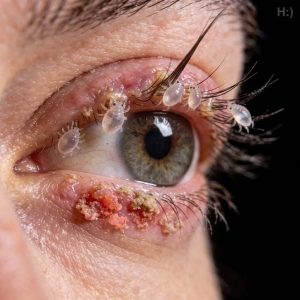
Cold sores are a common viral infection caused mainly by the herpes simplex virus type 1 (HSV-1), and sometimes HSV-2. They are highly contagious and spread easily through close contact.
“Cold sores, also known as fever blisters, are a common viral infection primarily caused by the herpes simplex virus type 1 (HSV-1).” The virus spreads through kissing, shared items, or contact with infected skin or saliva. It can also spread if a person touches a sore and then another part of their body.
Symptoms usually follow stages, starting with tingling or itching, followed by fluid-filled blisters, then painful open sores, and finally scabbing. Outbreaks typically last around 7 to 10 days, after which the virus stays dormant in the body.
Several triggers can cause the virus to reactivate, including stress, sun exposure, hormonal changes, illness, or a weakened immune system. “Several factors can reactivate the virus and cause new sores,” making outbreaks unpredictable for many people.
There is no permanent cure, but treatments can help manage symptoms. Antiviral medications, topical creams, pain relievers, and soothing lip balms can reduce discomfort and speed healing when used early.
Prevention focuses on avoiding contact during outbreaks, not sharing personal items, protecting lips from sun exposure, and maintaining a strong immune system through healthy habits.
In rare discussions within medical research, oral health has also been studied in relation to brain conditions. One idea suggests that “the cause of Alzheimer’s may lie within your mouth,” with studies exploring possible links between gum disease bacteria and cognitive decline. However, this research is still ongoing and not fully confirmed.
Overall, cold sores are manageable, but they remain highly contagious and require care, awareness, and preventive habits.