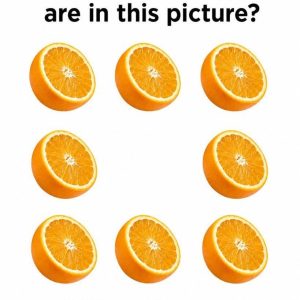
The phrase “6-7” has become popular not because of a clear definition, but because it has no fixed meaning. Its appeal comes from the freedom it gives young people to turn a simple sound into a shared joke or symbol.
The article explains that what makes it powerful “isn’t its meaning, but its emptiness.” Because it means nothing specific, people can use it however they want, creating their own sense of humor and belonging.
For many students, phrases like this help build connection. Adults may hear only noise or disruption, but younger people often see it differently. As the article notes, “Teachers see disruption; students feel connection.”
Its popularity also shows how quickly internet culture spreads. A small moment from Skrilla’s song “Doot Doot” quickly moved from music to social media, then into everyday jokes and school conversations.
Platforms like TikTok help trends travel fast, allowing short phrases, sounds, and jokes to become widely recognized almost overnight. The article highlights how “one throwaway lyric” can suddenly turn into a trend used by millions.
At the same time, these trends are temporary. Internet culture changes quickly, and popular jokes rarely last for long. “Tomorrow, ‘6-7’ will fade,” the article says, making room for the next strange or random phrase.
Even so, trends like this serve a purpose. They give each generation a way to create its own identity, humor, and sense of community.
In the end, “6-7” is less about language and more about participation. It reflects how younger people create meaning through shared jokes, even when the joke itself means almost nothing. As the article puts it, it is a way of saying, “We’re here, we’re laughing.”