 Skin reactions like redness, itching, or small rashes are common and often harmless. In many cases, they disappear on their own, which is why people may not pay much attention to them.
Still, the skin can sometimes reflect what is happening inside the body. As the article explains, “the skin can also act as an early warning system.” This means certain reactions may deserve closer attention, especially when they appear with other symptoms.
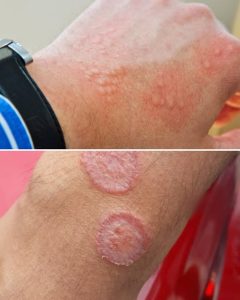
One example is Urticaria, also known as hives. It causes raised, itchy welts that may appear suddenly, disappear quickly, or spread across the skin. Hives are often linked to allergies, certain foods, stress, or environmental triggers.
On their own, hives are usually mild. But the situation changes if they appear with symptoms that affect breathing or circulation. Warning signs include “shortness of breath, wheezing, chest tightness, or throat swelling.”
These combined symptoms may point to Anaphylaxis, a severe allergic reaction that can become dangerous very quickly. The article warns that “what starts as mild itching or a few hives can worsen within minutes.”
Common triggers include foods, medications, insect stings, or latex, though sometimes the cause is not immediately clear. Because of how fast symptoms can escalate, early action is essential.
The key message is simple: isolated skin irritation is often manageable, but breathing problems alongside hives should never be ignored. If skin symptoms occur together with airway issues, it may signal “a life-threatening response” and should be treated as a medical emergency.
Paying attention to symptom patterns can help people respond quickly and avoid serious complications. Small skin changes may seem minor, but in some cases, they provide important clues about overall health.