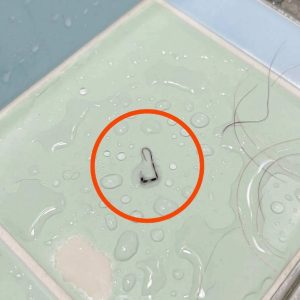
Pulled my beef roast out of the slow cooker and saw these weird white stringy thingsPulled my beef roast out of the slow cooker and saw these weird white stringy things poking out of the meat. They look like little worms or parasites. Is the meat infested? poking out of the meat. They look like little worms or parasites. Is the meat infested?

If you’ve ever pulled a slow-cooked roast from the pot and noticed thin, white, stringy strands in the meat, it can definitely catch you off guard. At first glance, they can look unusual—sometimes even unsettling—but in most cases, they’re completely normal and actually a sign that your cooking method worked perfectly.

What you’re seeing is connective tissue, mainly collagen, that has broken down during the long, slow cooking process. Cuts like chuck, brisket, or shoulder naturally contain a lot of this tissue. When cooked quickly, collagen stays tough and chewy. But when exposed to low heat and moisture over several hours, it transforms into a soft, gelatin-like substance. That’s what creates those pale strands—and also what makes the meat so tender.

The reason it can look concerning is purely visual. The strands are thin, light-colored, and irregular, which can resemble something unfamiliar. But there are clear differences between this and anything harmful. These collagen strands are soft, slippery, and blend into the meat. They don’t have structure, movement, or defined shape like parasites would. And importantly, the temperatures reached during slow cooking are more than enough to eliminate any real food safety risks.

If your roast smells normal, looks fully cooked, and was handled properly before cooking, it’s safe to eat. In fact, those strands contribute to the rich texture and flavor people love in slow-cooked meals.

If you prefer a smoother texture, you can trim visible connective tissue before cooking or shred the meat afterward so everything blends together naturally. But there’s no need to worry—they’re part of what makes slow cooking so effective.

In simple terms, those “strange” strings aren’t a problem—they’re proof your roast turned out exactly as it should.


n i

Related Posts

Hantavirus survivor shared terrifying reality of being infected – and her three key symptoms

On the MV Hondius, fear is as thick as the ocean air. Passengers are stranded between countries that refuse them and cabins that suddenly feel like cages….

If You Sleep With Socks On Every Night, Science Says Something Surprisingly Powerful Is Happening Inside Your Body That Affects Your Brain, Circulation, Hormones, Sleep Quality, and Even How Fast You Fall Asleep Without You Ever Realizing It

Wearing socks to bed sounds harmless, even trivial. Yet researchers suggest this small habit may quietly influence sleep quality, body temperature regulation, and how easily the brain…

Search Results for “I Found A Strange Bag Of Food On My Doorstep And What Happened Next Will Shock You” – Tbdig

It can start as an ordinary day until “a heavy, unmarked bag appears on your doorstep.” With no note or explanation, even something simple like a bag…

Visible Hand Veins Explained: Why They Appear, From Low Body Fat, Genetics, Exercise, Heat, and Hydration Changes, and When They Are Normal or Rarely a Sign of Medical Concern, Offering Reassurance That Prominent Veins Are Usually Harmless Physical Traits While Highlighting Simple Lifestyle Factors That Influence Their Appearance Over Time Naturally and safely understood today

Visible veins in the hands, arms, or legs are common and usually harmless. Their appearance can differ greatly depending on natural body features and daily conditions. One…

Beyond Appearances: A Story of Resilience and Personal Meaning

Diana Armstrong is widely recognized for her record-breaking nails, but her story is about much more than appearance. What many see as unusual is actually tied to…

The Reason You Wake Up at the Same Time Every Night Explained

You glance at the clock—1:47 a.m. again. It’s the third night in a row. The timing feels too consistent to ignore, and even if you try to…

Leave a Reply

Your email address will not be published. Required fields are marked *