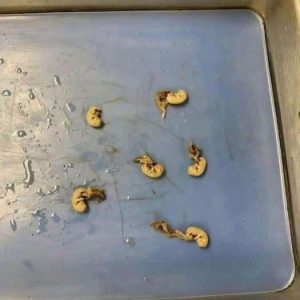
When your dog’s stool suddenly turns white or very pale, it can be alarming. While it isn’t always an emergency, it’s also not something to ignore. Stool color often provides valuable clues about your dog’s digestive health, diet, and overall well-being.
One of the most common causes is eating too much bone. Dogs fed raw bones, bone meal, or diets with a high bone content can produce chalky, white, or light gray stools that may appear dry and crumbly. Although this is often diet-related, excessive bone intake can lead to constipation or even intestinal blockages, especially if your dog strains during bowel movements.
Pale or white stool can also indicate a problem with the liver, gallbladder, or pancreas. Normally, bile gives stool its brown color. If bile flow is reduced because of liver disease, bile duct obstruction, or certain pancreatic disorders, the stool may become unusually light-colored. Some medications, such as certain antacids or barium used during imaging procedures, can also temporarily change stool color. Less commonly, severe intestinal infections or parasites may contribute to abnormal stool appearance.
Pay attention to your dog’s overall condition. Monitor when the pale stool started, whether it happens more than once, any recent changes in diet, medications, or treats, and whether your dog has eaten bones or something unusual. Also watch for warning signs such as vomiting, diarrhea, loss of appetite, lethargy, abdominal pain, bloating, blood in the stool, or difficulty passing stool.
If the stool remains white or pale for more than one bowel movement, or if your dog has any additional symptoms, contact your veterinarian promptly. Your vet may recommend a physical examination, fecal testing, blood work, or imaging to determine the cause. Early evaluation can identify whether the problem is simply dietary or related to a more serious medical condition.
Maintaining a balanced diet, providing fresh water, avoiding cooked bones, and scheduling regular veterinary checkups are simple ways to support your dog’s digestive health. Paying attention to changes in your pet’s stool may seem unpleasant, but it is one of the easiest ways to detect health problems early. With prompt veterinary care when needed, many causes of pale stool can be successfully treated before they become more serious.