Walking into a hotel room after a long journey, most people are thinking about getting comfortable—not inspecting the room for safety concerns. That’s why viral posts claiming you should immediately check out if you see three highlighted objects can be so alarming. But a television, mirror, or mark on a bedsheet is not automatically a reason to leave. What matters is whether there are genuine warning signs.
First, look at the television and the electronics around it. Modern TVs can contain cameras, microphones, and sensors, but their presence does not mean someone is secretly recording you. Instead, watch for unfamiliar devices, unexplained wiring, tiny openings that appear to contain lenses, or electronics positioned strangely toward the bed or bathroom. If something seems suspicious, photograph it and ask hotel management to explain it.
Next, consider the mirror. Two-way mirrors are real, but popular internet tricks such as the “fingernail test” cannot reliably determine whether a mirror is one. The construction and lighting can affect what you see. Rather than panicking over an ordinary mirror, look for specific abnormalities such as unexplained gaps, wiring, concealed openings, or an unusual space behind it.
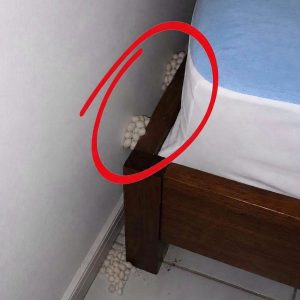
The bed, however, deserves a practical inspection. Dark marks on sheets can have many harmless explanations, but travelers should be aware of bed bugs. Before unpacking, check mattress seams, corners, the headboard, and bed-frame joints for live insects, dark spots, reddish stains, shed skins, or other evidence of infestation.
You don’t need to dismantle the entire room. A few minutes of observation can provide useful information. Also check that the main door locks properly and that any deadbolt or security latch works. In the bathroom, briefly inspect unusual electronics, vents, outlets, clocks, or other objects that appear out of place.
If you discover something genuinely concerning—such as apparent evidence of bed bugs, a broken security lock, dangerous electrical damage, or a suspected unauthorized recording device—don’t ignore it. Document what you see and contact management. Request another room or leave if the issue cannot be satisfactorily resolved.
If you believe you have found a surveillance device, avoid damaging or removing it if possible. Photograph its location and contact hotel management and, when appropriate, local authorities. Your privacy deserves to be taken seriously, but reacting to every ordinary object as though it were dangerous can create unnecessary fear.
The smartest hotel guests aren’t suspicious of everything; they know what deserves attention. A television can simply be a television, a mirror can simply be a mirror, and a stain can simply be a stain. Stay aware, trust your instincts, and investigate specific warning signs rather than viral internet myths. A few minutes of calm inspection can give you both safety and peace of mind.