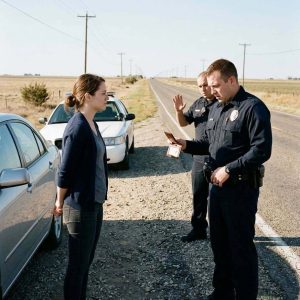
Imagine driving along a familiar road when a vehicle with flashing green lights approaches from behind. You continue driving because it doesn’t look like a police car, ambulance, or fire engine. Moments later, however, an officer pulls you over and explains that you should have moved aside. Situations like this can leave drivers confused about whether they have broken the law.
**Why Do Some Vehicles Use Green Flashing Lights?**
In certain parts of the United States, volunteer firefighters are allowed to display green flashing lights on their personal vehicles while responding to emergencies. These may be ordinary cars, SUVs, or pickup trucks used to travel from home or work to a fire station or emergency scene. The lights alert other motorists that an emergency responder is approaching, but they do not automatically give the vehicle the same legal privileges as an ambulance or police car.
**Are Drivers Required to Move Aside?**
The answer depends on local traffic regulations. Some jurisdictions consider green lights courtesy or warning signals, meaning they identify volunteer responders without necessarily granting them the right-of-way. Other locations have specific laws offering additional protections. Drivers should never assume that every vehicle displaying green lights has the same authority as an official emergency vehicle.
If one approaches from behind, remain calm, check your mirrors, and make room when it is safe. Avoid sudden braking or dangerous lane changes.
**What If Police Pull You Over?**
If an officer stops you for failing to yield, remain polite and ask which traffic regulation applies. You can also ask whether the vehicle was responding to an active emergency and whether you are receiving a warning or formal citation. Avoid arguing at the roadside. If you receive a ticket, review the documentation and consider challenging it through the appropriate legal process. Dashcam footage may also help clarify what happened.
**Why Local Laws Matter**
Green warning lights have different meanings depending on the state or country. Checking official traffic regulations is the best way to understand your responsibilities. Volunteer emergency responders deserve consideration, but ordinary drivers also need clear information about unfamiliar warning systems.
Ultimately, stay alert, drive predictably, and yield whenever it is safe and legally required. Understanding these less familiar signals can prevent unnecessary confusion and help everyone share the road more safely.